Recycling and Sustainability for Landscaping Hayes
 At Landscaping Hayes, recycling and sustainability are built into the way outdoor spaces are planned, maintained, and refreshed. From routine garden clearances to larger landscaping projects, our approach aims to reduce waste, recover useful materials, and keep unnecessary loads out of landfill. We focus on practical, measurable action that supports greener local environments while still delivering high-quality results for homes, shared gardens, and commercial grounds.
One of the most important parts of our landscaping Hayes sustainability work is our recycling percentage target. We aim to divert 75% of non-hazardous green waste and project waste from disposal routes through reuse, recycling, and responsible segregation. This target helps us monitor performance across different job types, whether we are removing soil, lifting old planting beds, clearing timber, or handling mixed green waste after a seasonal tidy-up. By setting a clear percentage goal, we can keep improving the environmental performance of every project.
In practical terms, that means separating waste at source wherever possible. Many local boroughs have adopted a more structured approach to waste separation, so our teams reflect that same discipline on site. Soil, wood, metal, cardboard, green cuttings, and inert materials are sorted before leaving the property whenever conditions allow. This improves recycling quality and helps ensure the right materials are sent to the right facilities.
 The local area benefits from access to transfer stations that support efficient sorting and onward processing of waste. These facilities play a key role in handling mixed loads from landscaping activity, especially when a job includes heavy materials such as paving offcuts, broken edging, or surplus aggregates. By using nearby transfer stations, Landscaping Hayes recycling efforts can be streamlined, reducing transport miles and making it easier to route reusable materials into the correct recycling streams.
We also work with a network of local charities and community groups to extend the life of suitable materials. Reusable timber, planters, garden furniture, decorative stone, and some healthy plants may be set aside for donation when they can be safely repurposed. These partnerships support a circular approach in which one project’s surplus can become another group’s useful resource. In this way, landscaping waste becomes an opportunity to help community projects and charitable initiatives.
Low-carbon vans are another important part of our sustainability strategy. Our fleet includes efficient vehicles designed to reduce fuel use and lower emissions on local journeys. This matters because even small transport decisions can have a big impact over time, especially when multiple visits are needed for site surveys, material delivery, and collection of green waste. Using lower-emission vehicles supports cleaner air and a lighter footprint across the Landscaping Hayes sustainability programme.
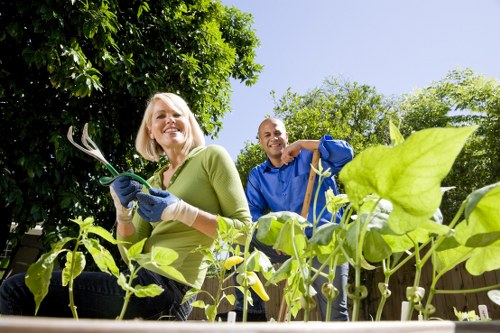 Recycling activity also changes depending on the type of work being completed. For example, during planting projects we aim to recycle compostable waste such as leaves, prunings, and grass cuttings through approved green waste routes. During hard landscaping removal, separate handling of rubble, concrete, and metal fixings helps to improve material recovery. When borough systems encourage household and commercial waste separation, our procedures align with that logic, making it easier to prepare materials for approved recycling facilities.
We place strong emphasis on reuse before disposal. Where surfaces, sleepers, bricks, or edging stones can be carefully lifted and stored, we do so to reduce the need for new materials. This is especially relevant for landscaping in built-up areas, where construction and garden renovation can produce a surprising amount of recoverable material. Sorting with care also lowers contamination, which can make recycling outcomes more effective and more resource-efficient.
Another key element of the Landscaping Hayes recycling policy is responsible handling of soil and spoil. Clean topsoil may be screened or reused on appropriate projects, while contaminated or unsuitable material is sent through the correct waste route. This prevents unnecessary disposal and ensures that recoverable resources stay in circulation. Combined with local transfer station use and efficient vehicle planning, these steps support a more sustainable service overall.
Partnerships with charities continue to shape our sustainability goals. We support donation pathways for items that are still in good condition, helping local organisations make practical use of materials that would otherwise be discarded. This can include surplus pots, sleepers, trellis, or garden accessories from landscaping upgrades. By working with charities, we make sustainability tangible and community-focused, not just a back-office process.
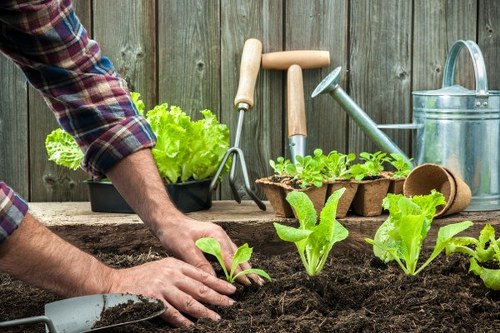 A further benefit of this approach is that it encourages thoughtful purchasing. When reuse is planned early, fewer new products need to be ordered, and less packaging enters the waste stream. That reduction matters across the whole chain of a landscaping project. It also supports borough-level waste separation culture, where residents and businesses are increasingly encouraged to sort materials carefully and minimise contamination.
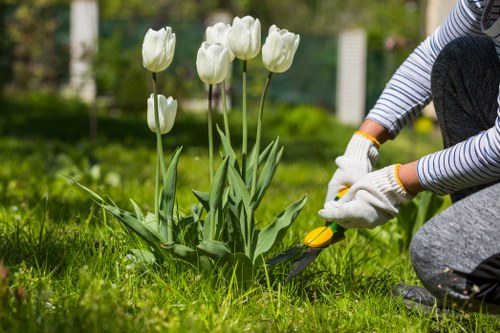 In every part of our work, from small garden refreshes to larger landscape clearances, sustainability is treated as a standard rather than an extra. Through recycling percentage targets, nearby transfer stations, charity partnerships, and low-carbon vans, Landscaping Hayes recycling and sustainability practices are designed to reduce waste and support the local environment. Responsible landscaping means making better choices at every stage, and we are committed to keeping that principle at the centre of all that we do.